
What Nonprofits Can Learn from the Next Generation of Givers
Most fundraising teams already know that younger donors don’t behave like the generations before them. The challenge isn’t awareness, it’s adaptation.
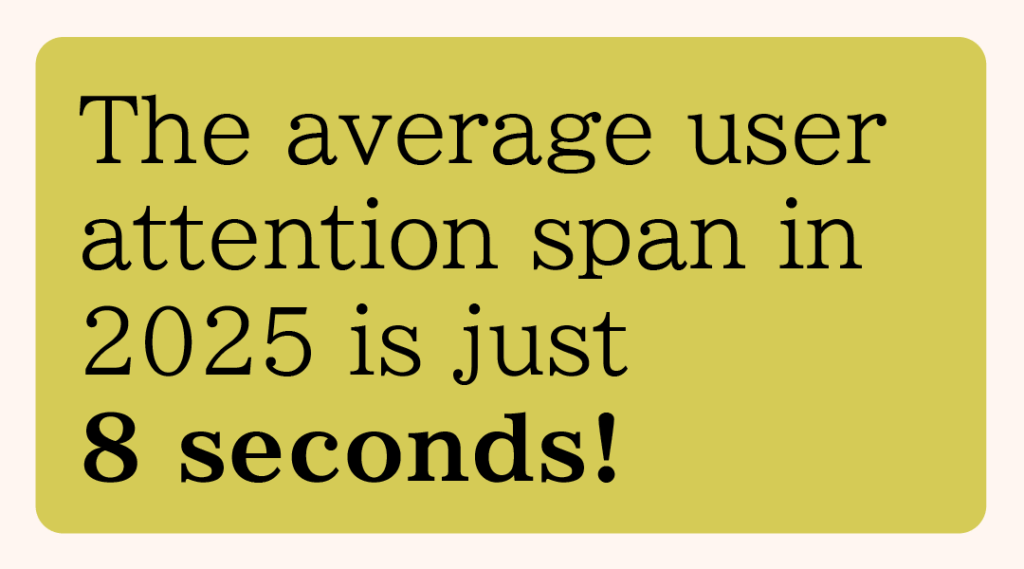 Yes, Gen Z and younger Millennials care. Yes, they give. But not always in the ways traditional fundraising models are designed to track or support. What nonprofits need now isn’t more data on TikTok usage, it’s a clearer roadmap for how to evolve systems, strategies, and storytelling to meet this moment. You have to remember this important stat: The average user attention span in 2025 is just 8 seconds!
These are not campaigns. Interactions are a cultural negotiation. And the nonprofits that win will be the ones fluent in nuance, native in execution, and unapologetically unpolished.
Here’s what we’re seeing, and what it means for organizations that want to engage this generation in a way that’s real, and sustainable.
If you don’t have time, here’s the TL;DR
- Emotion draws younger donors in, but clarity and follow-through keeps them.
- Values alignment is as important as program outcomes.
- Community engagement is as critical as conversion tactics.
- Local authenticity is essential to global relevance.
- Learning is a function of structured testing and feedback, do not assume and don’t get frustrated in the process.
1. Emotional Resonance Isn’t Optional, But It’s Not Enough
Younger donors respond to causes that hit an emotional nerve. That’s well documented. But emotional resonance without credibility and follow-through falls flat fast.
They want to feel something, but they also want to see:
- Where their money went.
- Who benefited.
- What changed.
In practice? This means shifting away from a one-and-done donation flow to a mini-journey:
emotional hook → donation → proof-of-impact → continued meaningful engagement
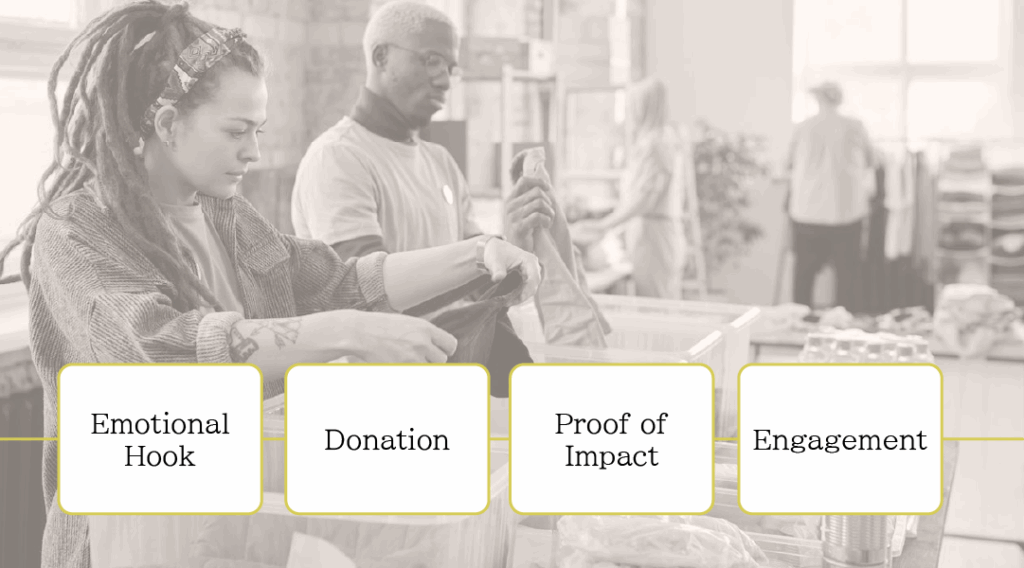
Your storytelling shouldn’t end at the thank-you page, it should extend through the post-gift experience.
2. Brand Loyalty Comes From Values, Not Visibility
Unlike previous generations, younger donors don’t “grow into” an organization. They opt in or out based on alignment. They’re looking at how your org handles power, inclusion, environmental impact, and how you show up when things get hard.
If you’re only speaking about your programs but not how your organization operates, you may be missing a key conversion lever. Value alignment is a decision-maker, not a bonus.
And it’s not about perfection. This audience responds well to transparency over polish. They’d rather see a work-in-progress than a perfect well-oiled machine. Don’t be scared to show behind the scenes (the messy and unorganized, where you need help), that you aren’t perfect, but you are doing good work and most importantly have heart.
3. “Community” Is the New Funnel
Younger givers don’t just want to donate. They want to connect. They look for causes where they can participate, not just transact. They ask:
- Can I share this with my network?
- Can I volunteer, show up, rep this brand?
- Will this make me feel part of something meaningful?
- How can I tell the cause stories and make it personal?
That means:
- Peer-to-peer strategies need to be modernized, beyond birthday fundraisers and into community-centered storytelling.
- Influencer marketing shouldn’t be siloed, it should be integrated into broader campaign strategy.
- Supporter engagement should include “quiet” contributors, not just big-voice champions.
Fundraising can’t live in a vacuum anymore, it has to live alongside content, culture, and community.
4. The Global-Local Tension Is an Opportunity, Not a Risk
This generation thinks globally, but expects local authenticity.They are equally compelled by a humanitarian crisis in Gaza and a neighborhood food drive, if the storytelling is human, not institutional.
 The sweet spot: showing global impact with local voices. Think:
- Field-led content with regional context.
- Transcreated, not just translated, campaigns.
- Creators or community figures from the regions your programs serve.
If you want to build global donor pipelines, cultural nuance is non-negotiable.
5. If You’re Not Testing, You’re Not Learning
This is a generation that lives online. Their media diet is faster, more fragmented, and more fluid than any generation before them. What worked six months ago may not work now.
That’s not a reason to chase trends, it’s a call to test smarter.
- Use A/B testing for more than button colors—test voice, values, tone, timing, different channels, creative, measurement frameworks…
- Invest in micro-campaigns before scaling a big push.
- Build feedback loops with your audience: surveys, polls, community responses.
Every campaign should give you insight into who your audience is becoming, not just what they gave.
The next generation of givers isn’t disengaged. They’re just tired of being asked to care without being invited to participate. If your strategy ends at the ask, you’re missing the whole relationship.
It’s time to meet them not just with good creative, but with real respect, and real systems that support long-term, values-based engagement.